
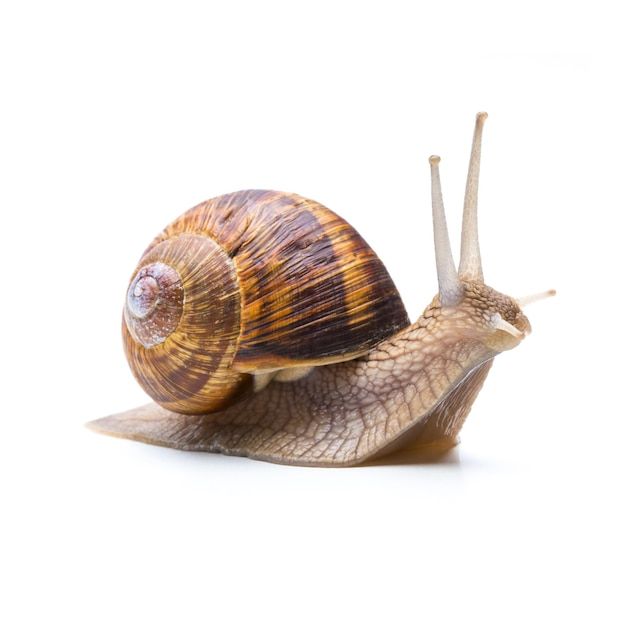
Snails, belonging to the class Gastropoda, are fascinating creatures known for their distinctive physical characteristics and life cycle. They possess a hard, coiled shell primarily made of calcium carbonate, which serves as protection against predators and environmental conditions. The shape and size of shells can vary significantly among species, ranging from small and conical to large and spiral, often featuring unique patterns and colors. The snail’s body is soft and unsegmented, divided into three main parts: the head, foot, and visceral mass. The muscular foot secretes mucus, allowing for smooth movement across surfaces while minimizing friction and preventing injury. Snails have two pairs of tentacles; the upper pair contains the eyes for sight, while the lower pair is used for sensing their environment and tasting food.
Physical Characteristics of Snails
Shell
Snails are known for their distinctive hard, coiled shell, primarily composed of calcium carbonate. This shell provides essential protection against predators and harsh environmental conditions. Shells vary widely in shape and size among species, ranging from small and conical to large and spiral, often featuring unique patterns and colors that aid in camouflage.
Body Structure
The body of a snail is soft and unsegmented, typically divided into three main parts: the head, foot, and visceral mass. The muscular foot is crucial for locomotion, allowing snails to glide smoothly over surfaces. It secretes mucus, which reduces friction and helps protect their delicate bodies.
Tentacles
Snails possess two pairs of tentacles, with the upper pair being longer and containing the eyes, used primarily for sight. The lower pair is shorter and functions as sensory organs, helping snails detect their surroundings and taste food, enhancing their foraging capabilities.
Respiration
In terms of respiration, many land snails breathe through a lung-like structure known as a pallial cavity. This adaptation allows them to extract oxygen from the air. Aquatic snails typically have gills, which enable them to obtain oxygen from water.
Life Cycle of Snails
Egg
The reproductive strategy of snails typically involves hermaphroditism, possessing both male and female reproductive organs. They lay dozens to hundreds of eggs in moist soil or hidden locations, ensuring a higher chance of survival for the offspring. The eggs are small and can take several weeks to hatch, depending on environmental conditions.
Juvenile Stage
Upon hatching, juvenile snails resemble miniature adults and begin feeding on organic matter and vegetation. This early diet is crucial for their growth, as they gradually develop their shells and increase in size.
Maturity
Snails reach sexual maturity within a few months to a few years, depending on the species and environmental factors. Adults can live for several years, with some species reaching lifespans of up to a decade.
Class: Gastropoda
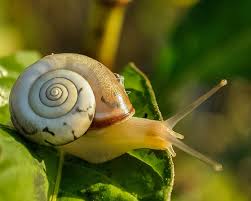
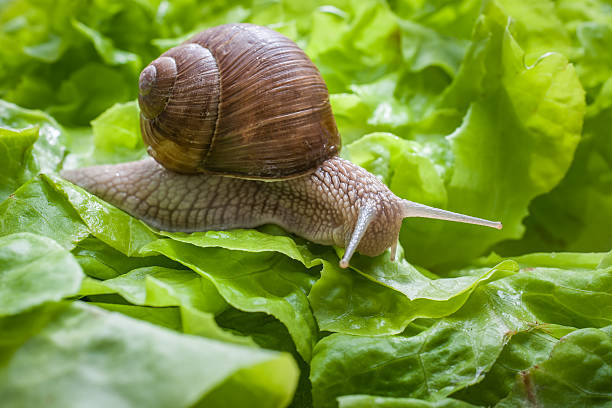
Characteristics:Shell: Hard, coiled shell made of calcium carbonate for protection.
Body: Soft, unsegmented body divided into the head, foot, and visceral mass.
Habitat: Found in diverse environments, including gardens, forests, freshwater, and marine ecosystems.
Diet: Primarily herbivorous; feed on plant matter, algae, and decaying organic material.
Global Distribution: Present on every continent, including land, freshwater, and marine habitats.
Common Species: Includes garden snails, apple snails, and aquatic species like the mystery snail.
Reproduction: Many are hermaphroditic; can lay dozens to hundreds of eggs in moist environments.
Life Cycle: Eggs hatch into juvenile snails, which grow and develop shells as they mature.
Ecological Role: Important for nutrient cycling, soil aeration, and as prey for various animals.
Human Interaction: Can be pests in gardens, but some species are kept as pets and are used in culinary dishes.
Prevention Tips for Snails
Eliminate Moisture
To manage snail populations, it’s essential to reduce moisture levels around your home. Repair leaks, ensure proper drainage, and avoid overwatering gardens, as snails thrive in damp environments.
Create Physical Barriers
Installing barriers such as copper tape or diatomaceous earth around garden beds can deter snails. These materials irritate their soft bodies, discouraging them from crossing into protected areas.
Remove Hiding Places
Keeping your garden tidy by clearing away debris like leaves, stones, and mulch reduces potential habitats for snails. This practice minimizes their chances of finding shelter during the day.
Handpicking
If snail populations become problematic, consider handpicking them during the evening or early morning when they are most active. Relocating them far from your plants can help protect your garden.