


13+ Successful Years in Pest Control
In 2018, we proudly mark over 13 years of dedicated service in the pest control industry. Our commitment to excellence and customer satisfaction has made us a trusted name for effective and environmentally friendly pest management solutions.
- Expertise: Over a decade of hands-on experience tackling a wide range of pest challenges.
- Innovation: Continuously adapting to the latest pest control technologies and methods.
- Customer-Centric: Prioritizing the needs and safety of our clients with tailored solutions.
Celebrate Earth Day with EcoWise!
At EcoWise, we believe in protecting not just your home, but also our planet. As a proud member of the National Pest Management Association (NPMA), we are committed to environmentally friendly practices in pest control, cleaning, and fumigation.
Why Choose EcoWise?
- Sustainable Solutions: We utilize eco-friendly methods to keep your space pest-free without harming the environment.
- Community Focus: Our team is dedicated to making a positive impact in our community through responsible practices.
- Expertise You Can Trust: With years of experience, our certified professionals ensure effective and safe services.
Join us in celebrating Earth Day by making conscious choices for a healthier planet. Together, we can create a cleaner, greener future!
Happy Earth Day from Ecowise!
Top Signs That You Have Pests in Your Home
Pests can be more than just a nuisance; they can pose serious health risks and cause significant damage to your property. Recognizing the signs of pest infestations early is crucial for effective management. Here are the top signs that you may have pests in your home:
1. Droppings and Urine Trails
One of the most telling signs of a pest infestation is the presence of droppings. Different pests leave different types of droppings:
Rodents: Small, pellet-shaped droppings are often found near food sources or nesting areas.
Cockroaches: Dark, cylindrical droppings that may resemble coffee grounds or black pepper.
Insects: Look for tiny, shed casings or exoskeletons around baseboards and corners.
2. Gnaw Marks and Damage
Pests like rodents and insects often gnaw on various materials. Look for:
Chew Marks: Signs on furniture, walls, or food packaging.
Holes: Small entry points in walls, ceilings, or floors may indicate rodent activity.
Damaged Wiring: Rodents can chew on electrical wires, posing fire hazards.
3. Unusual Noises
If you hear scratching, scurrying, or buzzing sounds, it may indicate a pest problem:
Rodent Sounds: Scratching or squeaking noises, especially at night, can indicate mice or rats.
Insects: Sounds of buzzing or rustling can point to wasps or other insects.
4. Nesting Materials
Pests often create nests using various materials. If you spot unusual items in your home, it could be a sign of an infestation:
Rodent Nests: Made from shredded paper, fabric, or insulation, often found in hidden areas.
Insect Nests: Look for mud tubes (from termites) or webs (from spiders) in corners and crevices.
5. Food Contamination
Finding holes in food packaging or discovering gnawed items can indicate pests:
Open Food Containers: If your sealed food packages are compromised, pests have likely gained access.
Unusual Smells: A musty or foul odor can indicate the presence of pests or decaying materials.
Seasonal Pest Control Tips: Keeping Your Home Pest-Free Year-Round

Winter: Indoor Pest Awareness
Why They Appear: While some pests hibernate, others remain active indoors, seeking shelter from the cold. Tips: Maintain Indoor Humidity: Pests like cockroaches thrive in humid environments. Use dehumidifiers in damp areas of your home, such as basements. Inspect for Signs: Look for signs of indoor pests, including droppings, gnaw marks, or nests. Common winter pests include spiders, silverfish, and even rodents. Keep Firewood Away: Store firewood at least 20 feet from your home to prevent pests from migrating indoors.

Fall:Rodent Prevention
Why They Appear: As temperatures drop, rodents like mice and rats seek warmth and food inside homes. Tips: Seal Cracks and Holes: Inspect your home for any openings where rodents could enter. Seal gaps in walls, around pipes, and at the foundation. Store Food Properly: Keep food in airtight containers and clean up crumbs and spills immediately to deter rodents. Declutter: Remove clutter from your home, including piles of newspapers or cardboard, which can provide nesting materials.

Summer: Combat Flies and Mosquitoes
Why They Appear: The warm weather attracts various pests, including flies and mosquitoes, which thrive in humid conditions. Tips: Maintain Your Yard: Regularly mow your lawn, trim bushes, and eliminate standing water to reduce mosquito breeding sites. Consider adding mosquito-repelling plants like citronella. Use Screens: Ensure that windows and doors have tight-fitting screens to keep flies and mosquitoes out. Repair any holes or tears quickly. Set Traps: Use fly traps or natural repellents to keep flies at bay, especially in outdoor dining areas.

Spring: Prepare for Ants and Termites
Why They Appear: As the weather warms up, pests like ants and termites emerge from hibernation and begin their search for food and nesting sites. Tips: Inspect Your Home: Look for signs of termite damage, such as mud tubes or hollow-sounding wood. Check your foundation and any wooden structures for potential entry points. Seal Entry Points: Use caulk to seal cracks and crevices around windows, doors, and foundations. This will help prevent ants and other pests from entering. Remove Debris: Clear away leaves, wood piles, and other debris from around your home’s perimeter to reduce nesting sites.
The Dangers of Ignoring Pest Infestations
1. Health Risks
Pests can carry various diseases that pose serious health risks to you and your family. Here are a few examples:
Rodents: Mice and rats can transmit diseases such as hantavirus, leptospirosis, and salmonella through their droppings, urine, and saliva. They can also trigger allergies and asthma attacks.
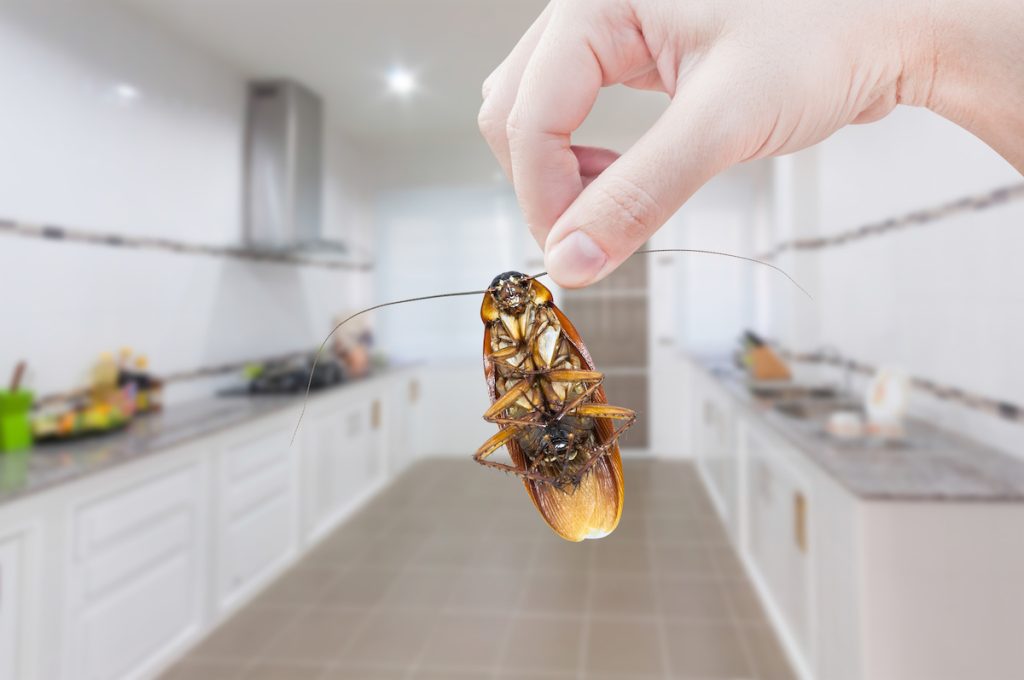
Cockroaches: These pests are notorious for spreading bacteria and allergens. Their droppings and shed skins can exacerbate asthma and allergy symptoms, particularly in children.
Mosquitoes: Often overlooked, mosquitoes can transmit diseases like West Nile virus, Zika virus, and dengue fever. Ignoring mosquito breeding grounds can lead to a significant increase in their population.
2. Property Damage
Termites: Often called “silent destroyers,” termites can eat away at the wooden structures of your home without any obvious signs until significant damage has occurred. A small infestation can escalate into severe structural damage.
Rodents: In addition to health risks, rodents can gnaw on electrical wiring, insulation, and plumbing, leading to fires or water damage, which can be costly to repair.
Carpenter Ants: These pests create tunnels in wood, compromising the integrity of your home’s structure. Left unchecked, they can cause extensive damage.
3. Financial Implications
The long-term financial consequences of ignoring pest infestations can be staggering:
Treatment Costs: The longer you wait to address an infestation, the more expensive it can become. What could have been resolved with a simple treatment may require extensive remediation and repairs if left unchecked.
Decreased Property Value: A pest-infested home can significantly decrease its market value. Potential buyers are likely to be deterred by the presence of pests or signs of damage caused by them.
Insurance Issues: Some homeowners insurance policies may not cover pest-related damages if the infestation was ignored. This could leave you with hefty repair bills.
