A pest library is a comprehensive resource that provides
detailed information on various pests, including their identification,
behavior, life cycles, habitats, and the damage they can cause. It often
includes descriptions of common household and agricultural pests, along with
recommended control methods, prevention strategies, and safe practices for
management. A pest library serves as a valuable tool for homeowners, pest
control professionals, and researchers to effectively understand and address
pest-related issues.

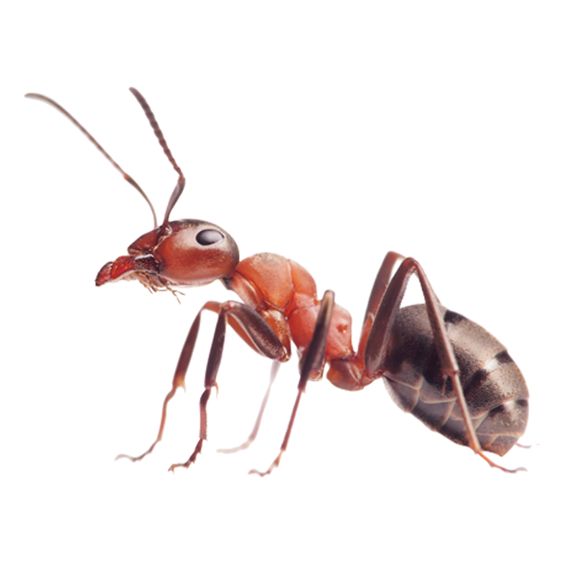
Ants
Description: Small insects that live in colonies. Common Species: Carpenter ants, fire ants, pavement ants. Signs of Infestation: Trails of ants, nests in soil or wood. Control Methods: Baiting, sealing entry points, and professional treatments.
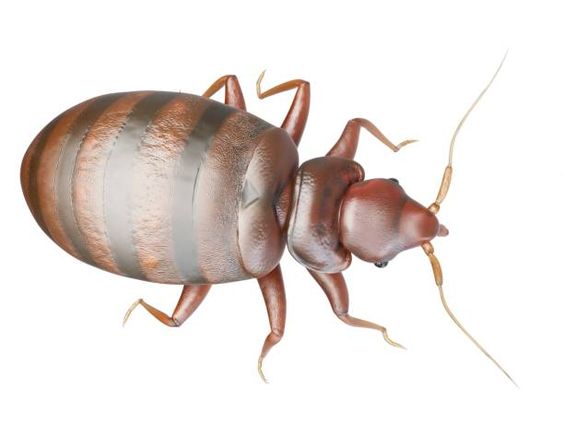
Bed Bugs
Description: Small, reddish-brown insects that feed on blood. Signs of Infestation: Bites on skin, blood spots on sheets, and live bugs in cracks. Control Methods: Heat treatments, insecticides, and mattress encasements.
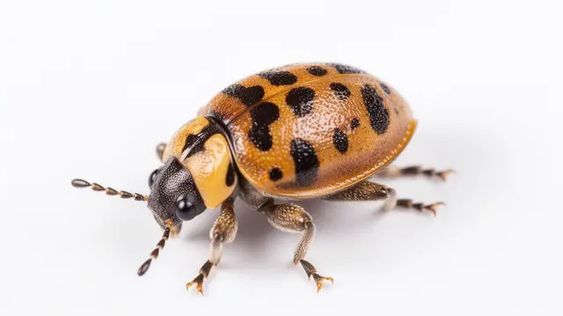
Beetles
Description: Hard-bodied insects belonging to the order Coleoptera. Common Species: Asian lady beetle, carpet beetle, Japanese beetle, powder post beetle. Control Methods: Exclusion, sanitation, traps, and targeted insecticides.

Cockroaches
Description: Flat-bodied insects that thrive in warm, humid environments. Signs of Infestation: Droppings, egg cases, and strong odors. Control Methods: Sanitation, traps, and insecticide sprays
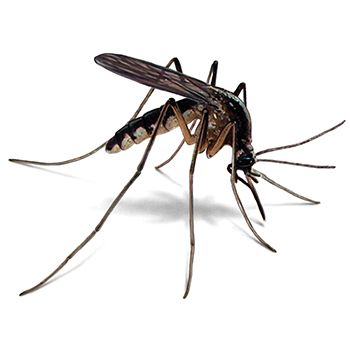
Mosquito
Description: Small, flying insects known for their long legs and biting habits. Common Species: Aedes aegypti, Anopheles, Culex pipiens. Control Methods: Eliminate standing water, use larvicides, apply insect repellents.
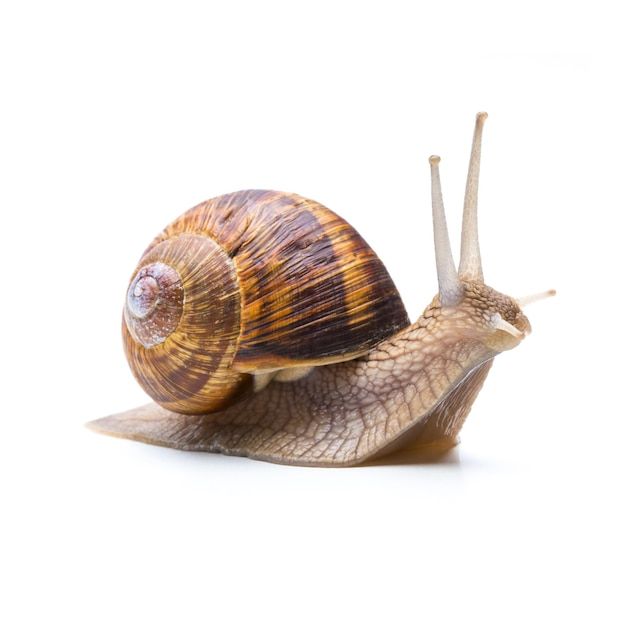
Snails
Description: Soft-bodied mollusks with coiled shells. Signs of Infestation: Mucus trails, holes in plants, and visible snails. Control Methods: Handpicking, barriers (such as copper tape), traps (like beer), and encouraging natural predators.
Termite
Description: Wood-destroying insects that feed on cellulose. Signs of Infestation: Hollowed wood, mud tubes, and swarming in spring. Control Methods: Bait systems, liquid treatments, and wood replacement.
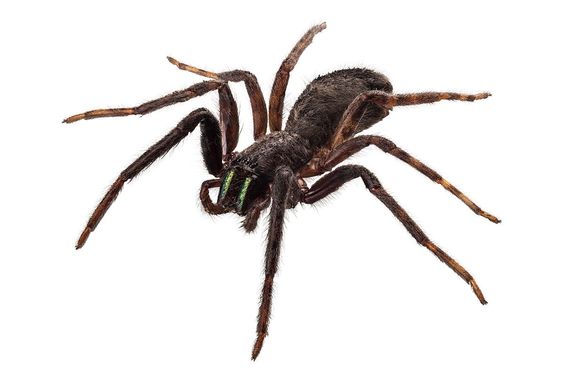
Spider
Description: Eight-legged creatures that can be beneficial but may also be a nuisance. Common Species: Black widow, brown recluse. Signs of Infestation: Webs, egg sacs, and sightings. Control Methods: Removal of webs, reducing clutter, and professional pest control services.
Prevention Tips
1. Regular Inspections
- Routine
Checks: Conduct regular inspections of your property to identify early
signs of pests.
- Focus
Areas: Pay special attention to basements, attics, kitchens, and areas
with standing water.
2. Seal Entry Points
- Close
Gaps: Inspect and seal any gaps or cracks in walls, doors, and windows
to prevent pests from entering.
- Use
Weatherstripping: Install weatherstripping on doors and windows to
create a tight seal.
3. Maintain Cleanliness
- Food
Storage: Store food in airtight containers and promptly clean up
spills and crumbs.
- Clutter
Reduction: Reduce clutter in and around your home, as it can provide
hiding spots for pests.
4. Manage Landscaping
- Trim
Vegetation: Keep bushes and trees trimmed away from the house to
reduce pest access.
- Remove
Debris: Clear away leaves, mulch, and other debris that can harbor
pests.
5. Eliminate Standing Water
- Drain
Sources: Regularly check for and eliminate standing water in gutters,
bird baths, and planters.
- Fix
Leaks: Repair any leaking pipes or faucets to prevent water
accumulation.
6. Proper Waste Management
- Secure
Trash: Use tightly sealed trash cans and dispose of garbage regularly.
- Compost
Wisely: If composting, use a closed compost bin to minimize attracting
pests.
7. Use Screens
- Install
Screens: Fit windows and doors with screens to keep insects out while
allowing ventilation.
- Repair
Damaged Screens: Check for and repair any holes or tears in existing
screens.
8. Monitor Outdoor Areas
- Inspect
Outdoor Furniture: Regularly check outdoor furniture and play
equipment for signs of pests.
- Limit
Attractants: Avoid planting flowers that attract specific pests, like
certain types of mosquitoes.
9. Educate Yourself and Others
- Pest
Awareness: Educate family members or employees about common pests and
signs of infestations.
- Community
Involvement: Engage with local pest control resources and community
efforts for pest prevention
