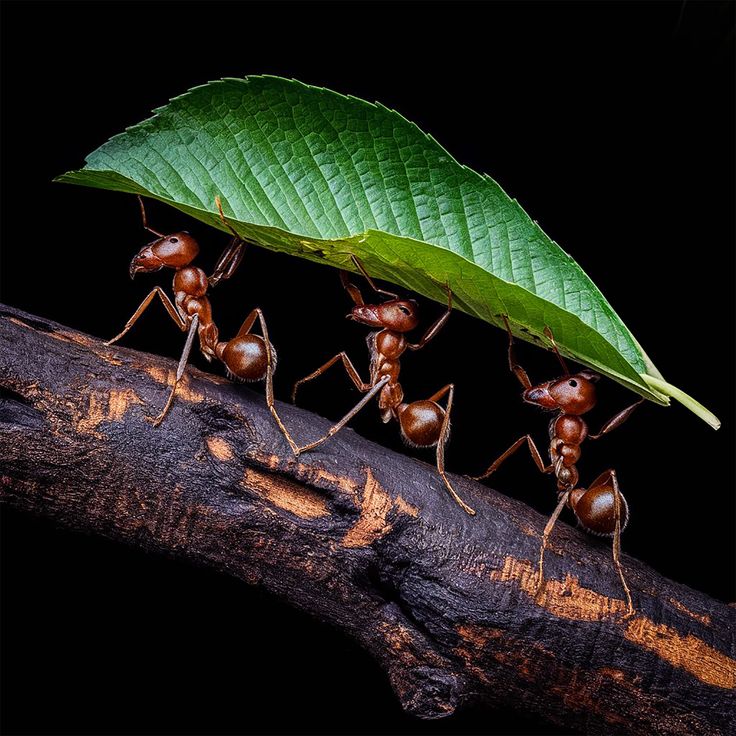
Ants are social insects that belong to the family Formicidae. They are known for their highly organized colonies and complex social structures, which include various castes such as workers, soldiers, and queens. Ants communicate through pheromones and can be found in diverse habitats worldwide. They play crucial roles in ecosystems by aerating soil, decomposing organic matter, and serving as food for various animals. Their industrious nature and cooperative behaviors make them fascinating subjects of study in biology and ecology.

Physical Characteristics
Exoskeleton
Ants feature a hard outer shell known as an exoskeleton, composed of chitin. This structure provides significant protection and support, enabling flexibility and movement. The exoskeleton also helps prevent water loss, allowing ants to thrive in various environments.
Antennae
Equipped with long, segmented antennae, ants rely on these sensory organs for communication and navigation. They can detect pheromones—chemical signals that convey information about food, danger, and the colony’s status. Antennae are essential for social interactions and coordinating group activities.
Mandibles
Ants possess powerful mandibles (jaws) that vary in shape and size among species. These mandibles are crucial for numerous tasks, including cutting food, carrying objects, building nests, and defending the colony. Some species even use their mandibles to engage in aggressive displays or battles.
Life Cycle
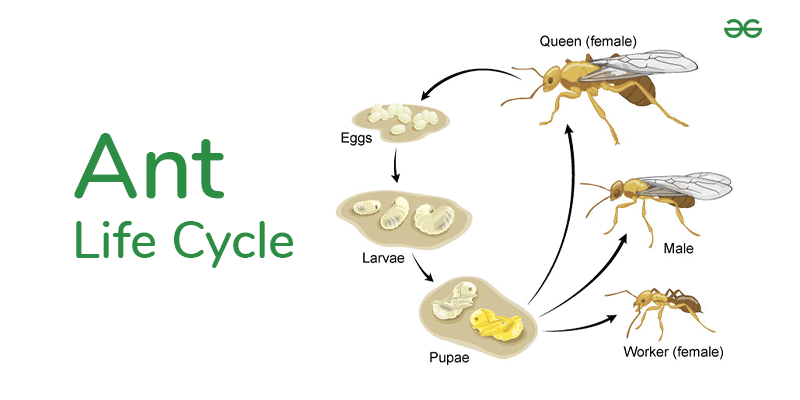
The ant life cycle consists of four distinct stages:
Egg
The life cycle begins when a queen lays eggs. These tiny, oval-shaped eggs are typically white or transparent and require specific conditions of warmth and humidity to develop properly. A queen may lay thousands of eggs during her lifetime.
Larva
After hatching, the larvae emerge as worm-like, soft-bodied creatures. They are entirely dependent on the worker ants for food and care. Worker ants feed the larvae a diet rich in protein and carbohydrates, which is crucial for their growth. The larvae remain in this stage until they reach sufficient size to pupate.
Pupa
Following the larval stage, ants enter the pupal stage, where they undergo metamorphosis. During this period, they may be encased in a cocoon (depending on the species) and are inactive as they transform into adult ants. This stage can vary in duration based on environmental conditions and species.
Adult
Eventually, the fully developed adult ant emerges from the pupal stage. Adult ants take on specific roles within the colony, which can include workers (foraging, caring for the queen and larvae), soldiers (defending the colony), or reproductive individuals (queens and males). The division of labor is key to the colony’s success and survival.